Brain Health & Learning

Your Brain Is Still Changing. That’s the Opportunity.
In midlife, many women quietly worry about memory, focus, or mental clarity.
But brain health isn’t something you either have or lose.
It’s something you can build.
And the habits that support cognitive vitality are more accessible than most people think.
A Different Way to Think About Brain Health

Most of us were taught that cognitive decline is inevitable.
That memory fades. Focus slips. And there’s not much we can do.
But neuroscience tells a very different story.
The brain remains adaptable throughout life.
It continues forming new neural pathways in response to movement, learning, creativity, and experience.
This ability, called neuroplasticity, is one of the most powerful tools we have for protecting long-term brain health.
And it doesn’t require extreme routines.
It responds to small, consistent inputs.
Why This Matters in Midlife

This is the stage when many women start noticing subtle shifts:
Forgetting names
Walking into rooms and losing track of why
Struggling to concentrate like they used to
It’s easy to assume something is wrong.
But often, these changes are signals, not endpoints.
The brain is responding to stress, sleep changes, hormonal shifts, and overload.
And when those inputs change, the brain can change too.
Brain Health Is Not Just Mental
One of the biggest misconceptions about cognitive health
is that it’s trained with puzzles alone.
In reality, brain vitality is deeply connected to how you live.
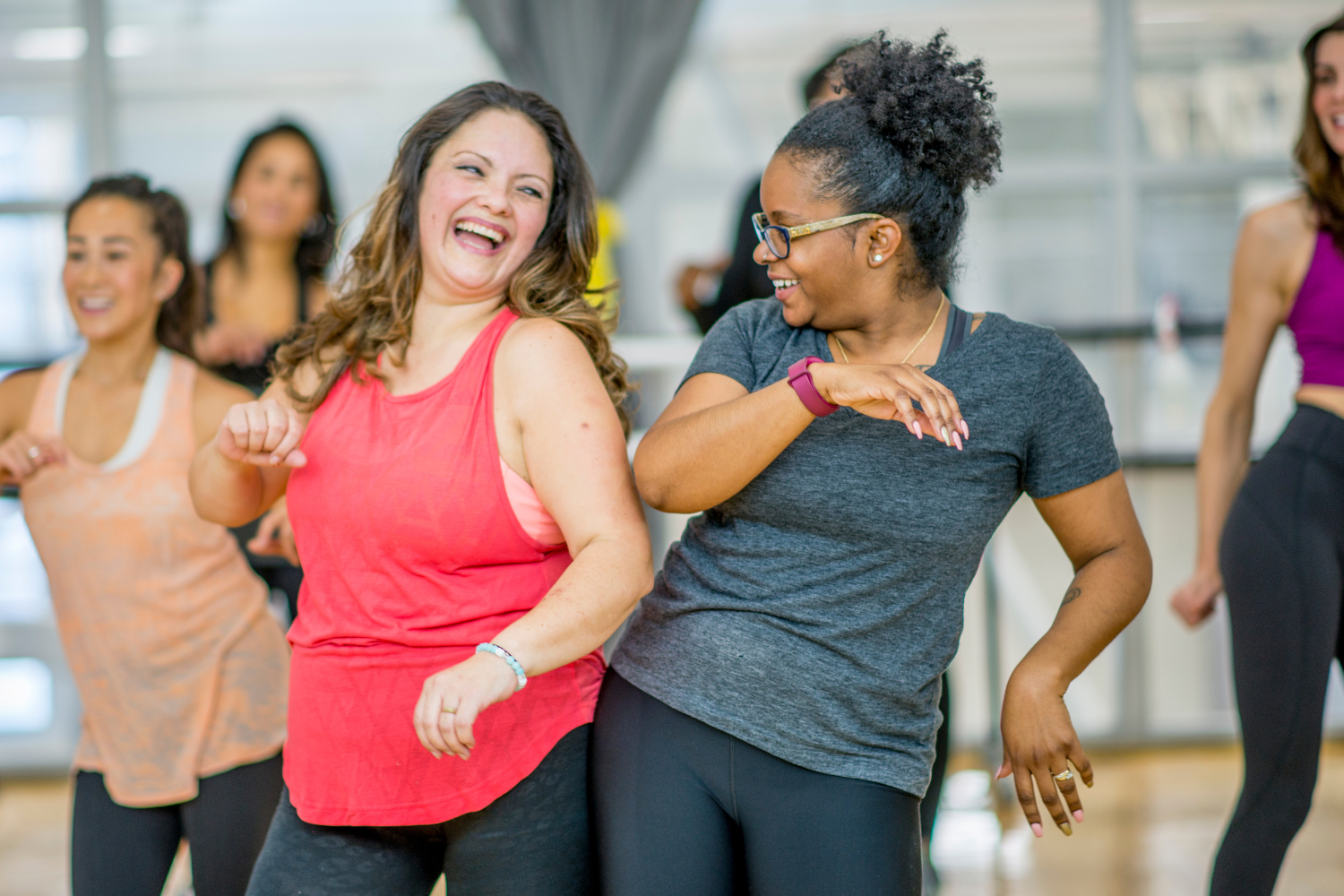
Movement increases blood flow and supports neural growth.
Sleep clears metabolic waste from the brain.
Connection protects against cognitive decline.
Learning builds new neural pathways.
When you understand this, everything shifts.
You stop chasing brain games.
And start building brain resilience.
The Power of Lifelong Learning

One of the most underestimated tools for brain longevity is learning.
Not in a pressure-filled way.
But in a curious, expansive way.
New skills stimulate the brain to create fresh neural connections.
Creative exploration builds adaptability.
Even small challenges signal the brain to stay engaged and responsive.
This is why people who keep learning often maintain sharper cognition and greater emotional vitality as they age.
You Are Not Done Growing
Midlife is not the end of expansion.
It’s often the beginning of a more intentional kind of growth.
This is the season where many women rediscover:
Curiosity
Creativity
Perspective
Wisdom
And when those qualities are nurtured, the brain follows.
Not just staying sharp.
But becoming more resilient, adaptive, and alive.
Start Strengthening Your Brain Today
If you’re ready for simple, science-backed ways to support memory, focus, and cognitive resilience, start with one small step.
Because brain health isn’t built in extremes.
It’s built in rhythms.
The brain responds to what we give it.
Small, consistent inputs can create meaningful change over time.