Movement & Energy

Midlife Changes How Your Body Responds To Movement.
What used to work doesn’t always work the same way anymore.
Energy shifts. Recovery takes longer.
Strength and stamina can feel less predictable.
Not because you’re failing.
Because your body is changing.
And movement needs to evolve with it.
If you’re starting to notice these shifts, there’s a reason.
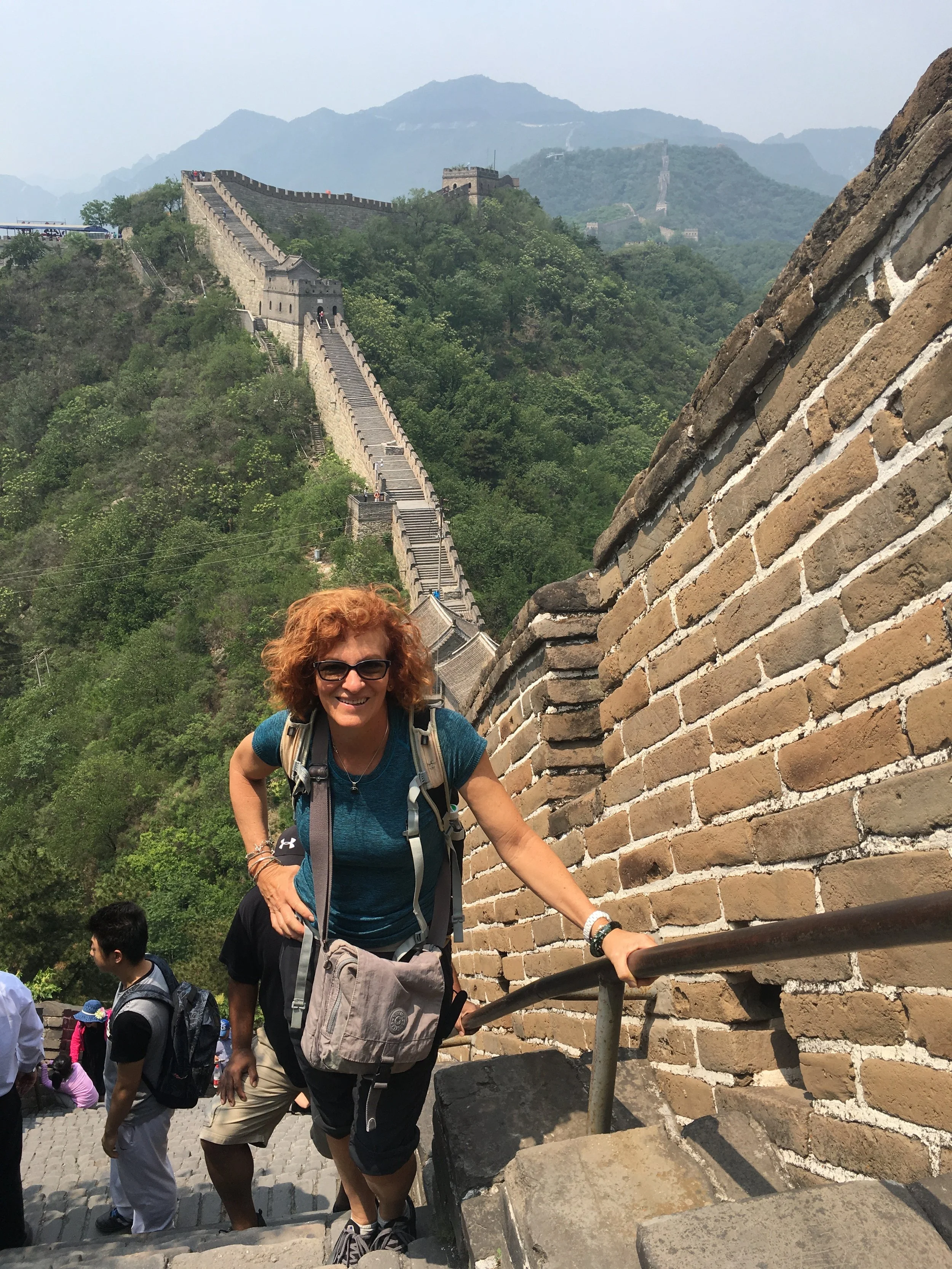
When you build real strength, you expand what’s possible.
The Shift
What used to work may suddenly feel less effective, or require more effort than before.
You may notice:
Less stamina than you expect
Longer recovery after workouts
More stiffness or joint sensitivity
Strength that feels harder to maintain
This isn’t a motivation problem.
It’s a midlife physiology shift and it’s workable
Rebuilding Capacity
At this stage of life, movement needs a new purpose.
Not burning more calories.
Not pushing harder.
But rebuilding capacity.
Capacity for strength and stability.
For joint health and clear thinking.
For steady energy and lasting independence.
Because how you move today shapes how you live tomorrow.

Strength:
The Foundation of Vitality
At Midlife Vitality, movement isn’t about intensity.
It’s about intelligence.
The goal isn’t to burn more calories.
It’s to rebuild capacity.
Capacity to support strength, joint health, brain clarity, steady energy, and long-term independence.
Because how you move today shapes how you live tomorrow.

Balance:
Staying Steady & Confident
Balance is often one of the earliest physical changes we experience, and it tends to happen quietly.
You may notice it in small moments: steadying yourself while getting dressed, sitting down to put on your pants, or reaching for a handrail without thinking.
Subtle shifts, but meaningful ones.
Balance influences how safely and confidently we move. It reflects the coordination between your brain and body, supporting stability, reaction time, and control.
And like strength, it responds to training.
With the right approach, balance can improve— bringing back steadiness, confidence, and ease in how you move through daily life.

Mobility:
Move with Ease
Mobility often fades gradually, becoming noticeable only when movement stops feeling fluid.
It shows up in everyday actions: reaching low, stepping into a higher car, getting to the floor, or turning to look behind you.
When mobility changes, these movements can feel stiff or restricted.
Mobility supports how freely your joints move and how well the body works as a whole. It helps maintain posture, reduces strain, and allows strength and balance to work together more effectively.
The good news is that mobility responds quickly to the right kind of movement. With consistency, the body can regain a greater sense of fluidity and ease.
Understanding your movement is the first step toward improving it. Subtle shifts in strength and balance often happen gradually, but awareness gives you the power to respond early.
If you’re ready to take the next step…
Understanding how movement changes is powerful.
Knowing how to rebuild strength, balance, and mobility is where real change happens.
If you’d like a guided approach, explore the Midlife Vitality programs designed to help you rebuild capacity with clarity and confidence.