The Energy Pathway to Vitality
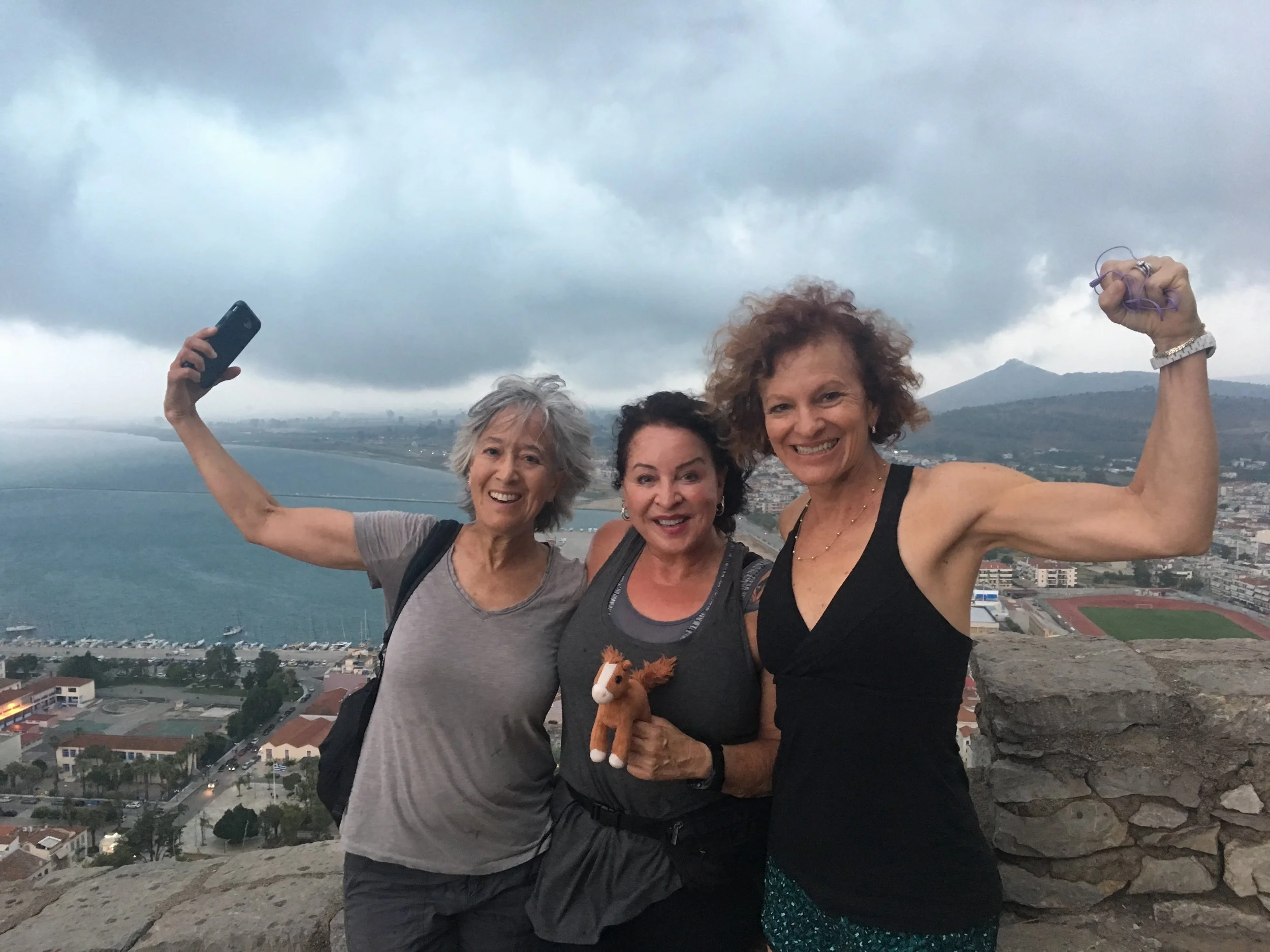
Exercise isn't just about staying fit; it's the key to a healthier, more vibrant life. Incorporating physical activity into your daily routine not only helps with weight management, reduction of the risk of chronic diseases like diabetes and heart conditions, but it also enhances brain function, boosts mental well-being, and elevates your energy levels. The transformative power of movement supports not just your body, but your entire quality of life.
Move Better, Feel Better, Live Better
We often think of starting an exercise program as a way to lose weight. But in our 40s, 50s, and 60s, movement becomes about so much more. It’s about staying strong, moving with ease, and feeling vibrant for years to come.
As we age, we naturally lose muscle, our metabolism shifts, and joints can stiffen. But consistent movement helps prevent that “getting old” feeling by keeping the body mobile, resilient, and energized.
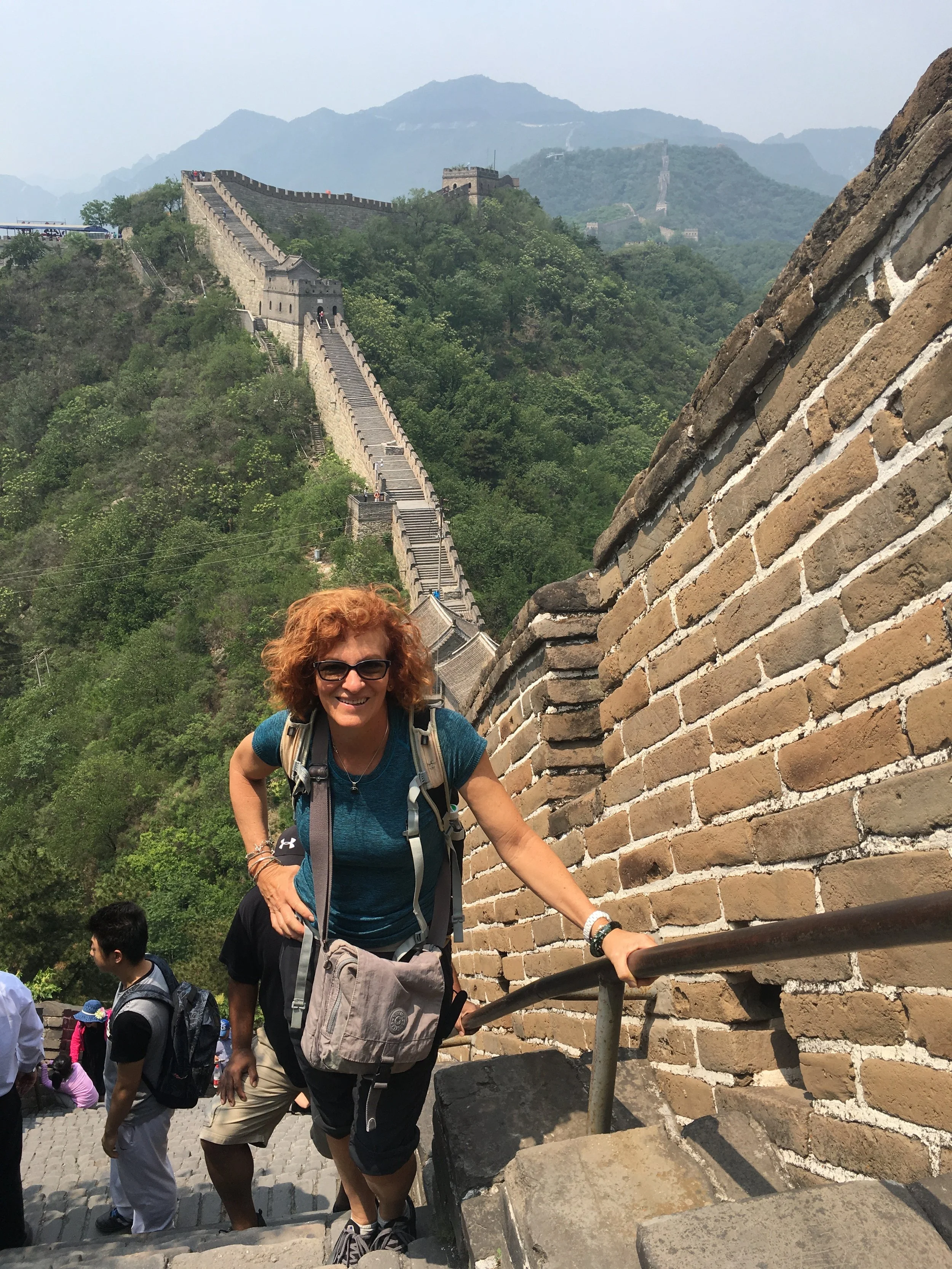
Whether it’s climbing the steps of the Great Wall or simply keeping up with grandkids, strength and mobility make both everyday moments and once-in-a-lifetime experiences more accessible and enjoyable. Movement isn’t about looking better, it’s about having the freedom and confidence to live fully at any age.
It also supports better sleep, hormone balance, and mental clarity. You don’t have to slow down, you just need a way of moving that works with your body, not against it.

Strength: The Foundation of Freedom
Strength is one of the most important predictors of how well we age — and we rely on it more than we realize.
It shows up in everyday moments.
Carrying a heavy case of water.
Bringing groceries in from the car.
Getting up from the floor.
Lifting grandkids or heading out on a hike.
When strength begins to fade, these simple tasks can start to feel heavier or more intimidating.
After midlife, we naturally lose muscle over time, but strength training helps slow and even rebuild that loss. Strong muscles support joints, protect bone density, and make movement safer and more efficient.
More than anything, strength builds confidence. When you feel physically capable, you move through life with greater freedom, resilience, and independence.

Balance: The Skill We Don’t Notice Until It Changes
Balance is often overlooked until it starts to fade and it can begin as early as our 40s. Because the shift is gradual, we usually miss the signs.
You might lean on the wall to get dressed.
Sit down to put on your pants.
Reach for the handrail going downstairs.
These small changes matter.
Balance shapes how safely and confidently we move through the world. It reflects how well your brain and body communicate, supporting stability, coordination, and quick reactions. And like strength, if we don’t train it, it slowly declines.
The good news is balance is highly trainable. With the right practice, you can rebuild stability, improve reaction time, and maintain the confidence to stay active and independent for years to come.

Mobility: The Ease Behind Everyday Movement
Mobility is something we don’t think about until movement stops feeling easy.
It shows up in everyday moments.
Bending down to grab a pot from a lower cabinet.
Climbing into a higher SUV.
Getting down to the floor and back up again.
Reaching overhead or turning to look behind you.
When mobility declines, these simple movements can start to feel stiff, awkward, or even painful.
Mobility is what allows your joints to move freely and your body to work as a whole. It supports posture, reduces strain, and helps strength and balance work better together. And like balance, if we don’t maintain it, it gradually fades.
The good news is mobility responds quickly to the right kind of movement. With consistent attention, you can keep your body feeling fluid, capable, and ready for whatever life asks of it.
Understanding your movement is the first step toward improving it. Small changes in strength and balance often happen gradually, but becoming aware of them gives you the power to respond early.