
Nutrion
The Foundation to Good Health Starts With What You Eat
In our fast-paced world, food is often viewed and used more as a convenience than a source of nourishment. The demands of busy schedules lead us to rely on quick, processed meals and fast food, which lack essential nutrients; but food is more than just fuel, it’s the foundation of good health. The right nutrition supports brain function, reduces inflammation, and enhances longevity.
Why Food Matters as we Age
Brain Health – Omega-3s, antioxidants, and gut-friendly foods help sharpen memory and focus.
Energy & Vitality – Nutrient-dense whole foods prevent crashes and sustain energy levels.
Inflammation & Joint Health – Anti-inflammatory foods like leafy greens, turmeric, and berries reduce pain and stiffness.
Gut Health & Immunity – A well-balanced gut microbiome strengthens the immune system.
Longevity & Aging Well – Nutrient-rich foods can slow aging and promote long-term wellness.
Eat Well, Feel Strong, Age Vibrantly Designing A Vibrant Plate

With so many diets out there—low-carb, plant-based, Mediterranean, keto—it’s no wonder it feels confusing to know what to eat. The truth is, there’s no one-size-fits-all approach to nutrition. We’re all unique, with different bodies, lifestyles, and needs—especially in midlife, when hormones shift and energy levels can change. But no matter your eating style, building a balanced plate with the right mix of protein, healthy fats, complex carbohydrates, and fiber is key. These nutrients work together to keep your energy steady, support hormone balance, improve digestion, and help you feel your best—now and in the long run.
What do those nutrients actually look like on your plate?
Let’s break down each —protein, healthy fats, carbohydrates, and fiber—and explore why they’re essential for energy, balance, and overall well-being in midlife and beyond.
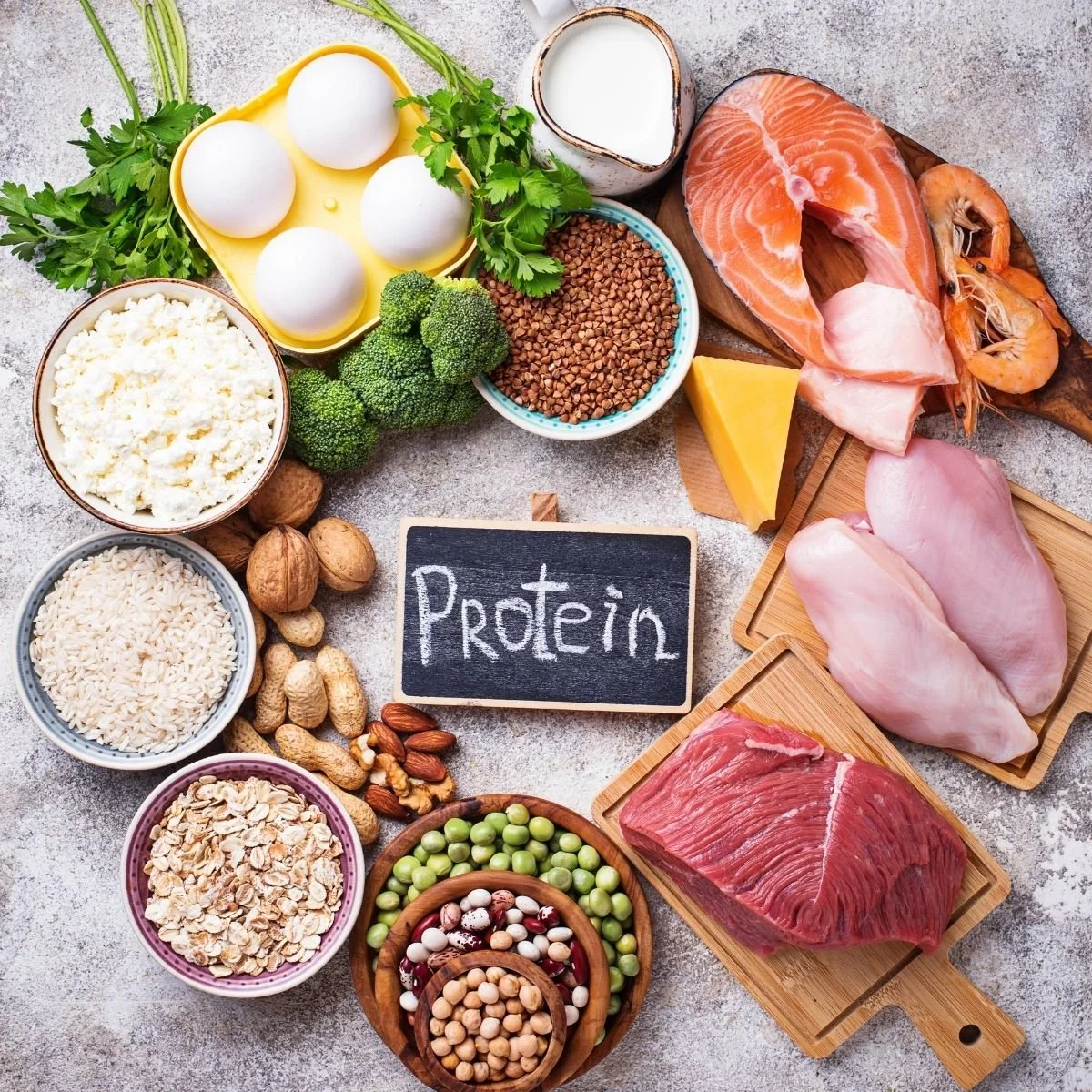
Protein- Protein is essential for muscle repair, immune function, and overall health, and it can come from both plant-based and animal-based sources. Plant-based proteins include lentils, chickpeas, quinoa, tofu, and nuts, while animal-based proteins include eggs, chicken, fish, beef, and dairy; incorporating a variety of these sources ensures a balanced intake of essential amino acids for optimal body function.
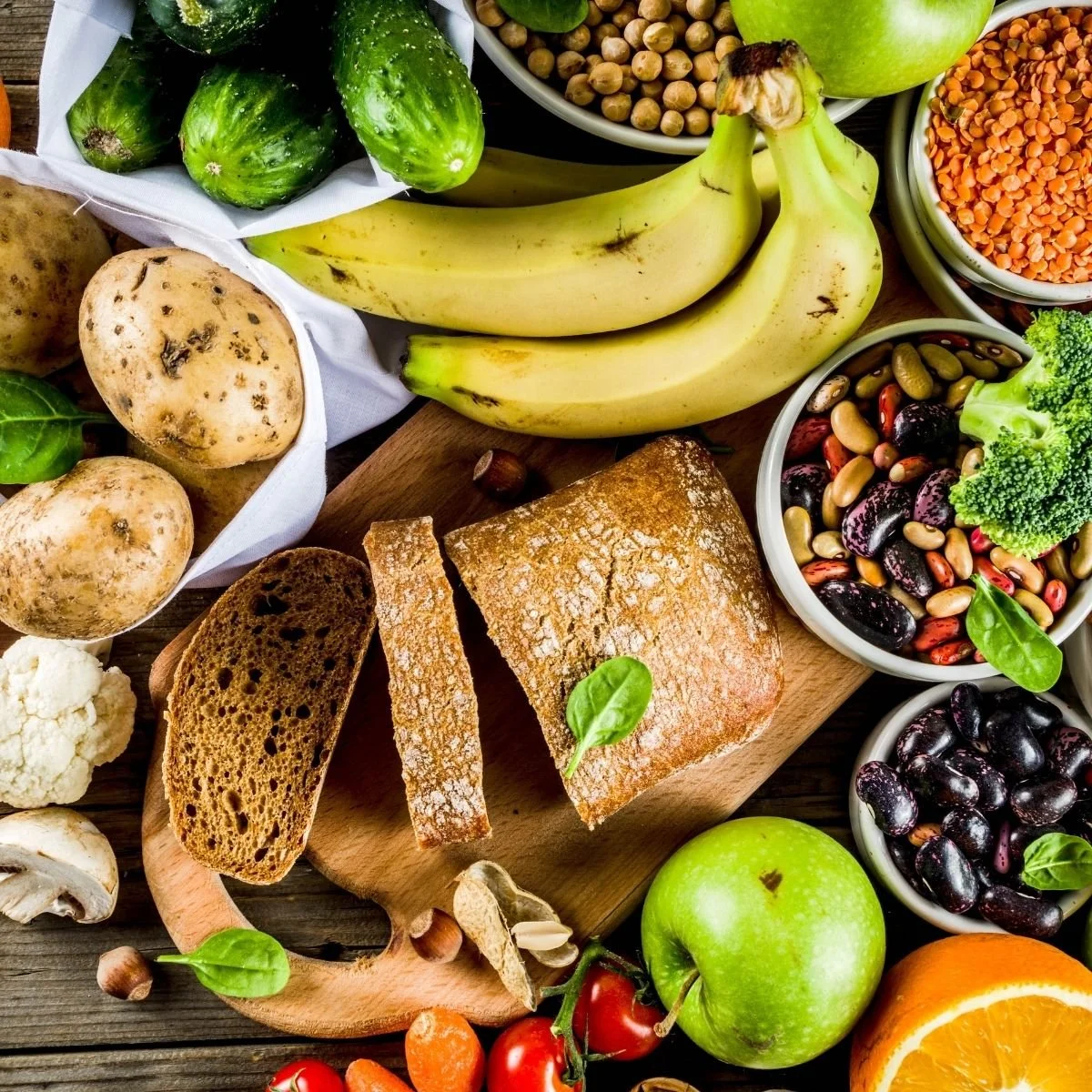
Carbohydrates- Carbohydrates are the body's primary source of energy, fueling the brain, muscles, and overall metabolism. Healthy carbohydrate sources include fruits, vegetables, whole grains (like quinoa, brown rice, and oats), and legumes, which provide essential vitamins, minerals, and fiber to support digestion, blood sugar balance, and sustained energy levels.
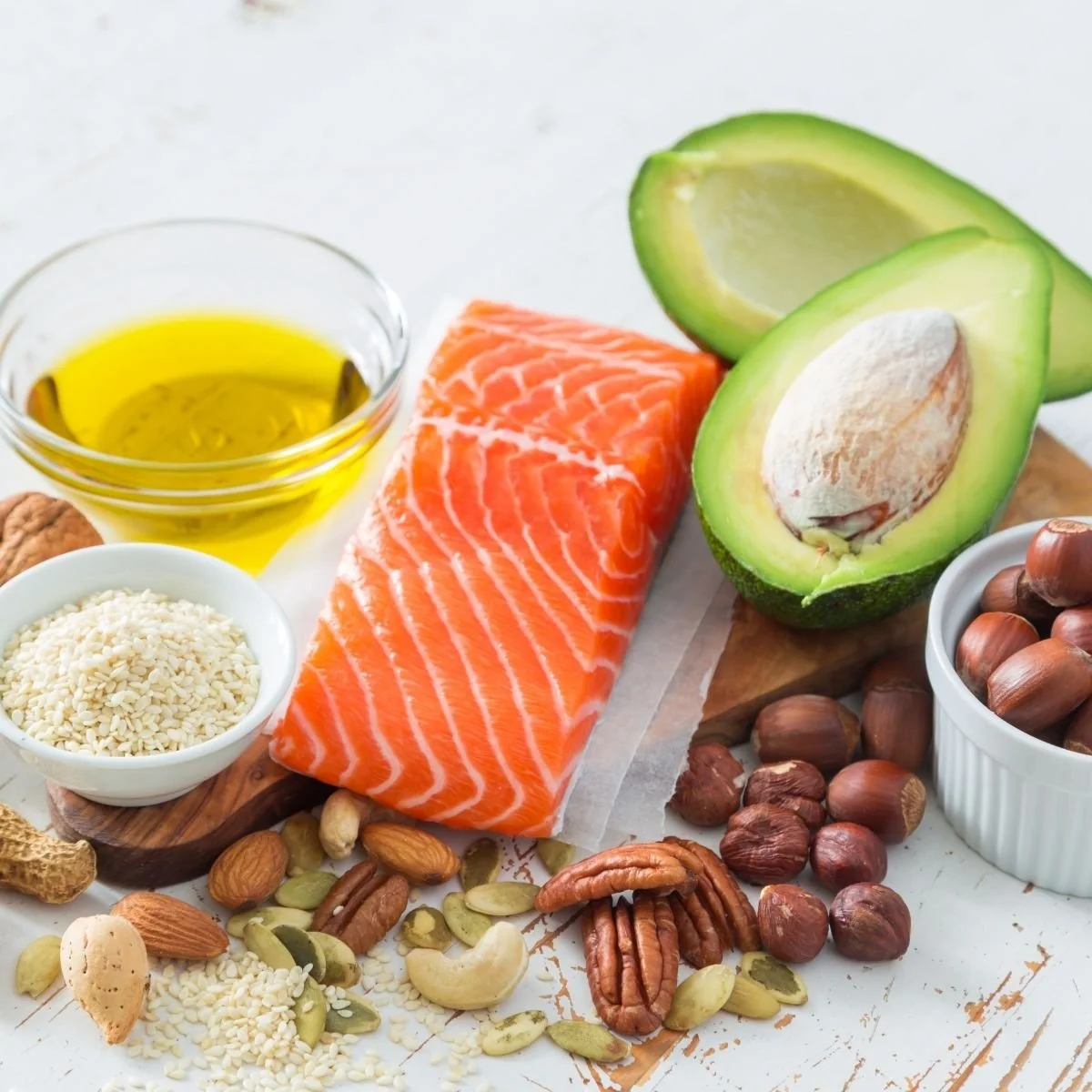
Healthy fats- Healthy fats are essential for brain function, hormone production, and reducing inflammation, and they come in three main types: monounsaturated, polyunsaturated, and healthy saturated fats. Monounsaturated fats, found in avocados, olive oil, and almonds, support heart health; polyunsaturated fats, like omega-3s in salmon, flaxseeds, and walnuts, aid brain function; and healthy saturated fats, such as those in coconut oil, grass-fed butter, and full-fat dairy, help with cell function and energy production.
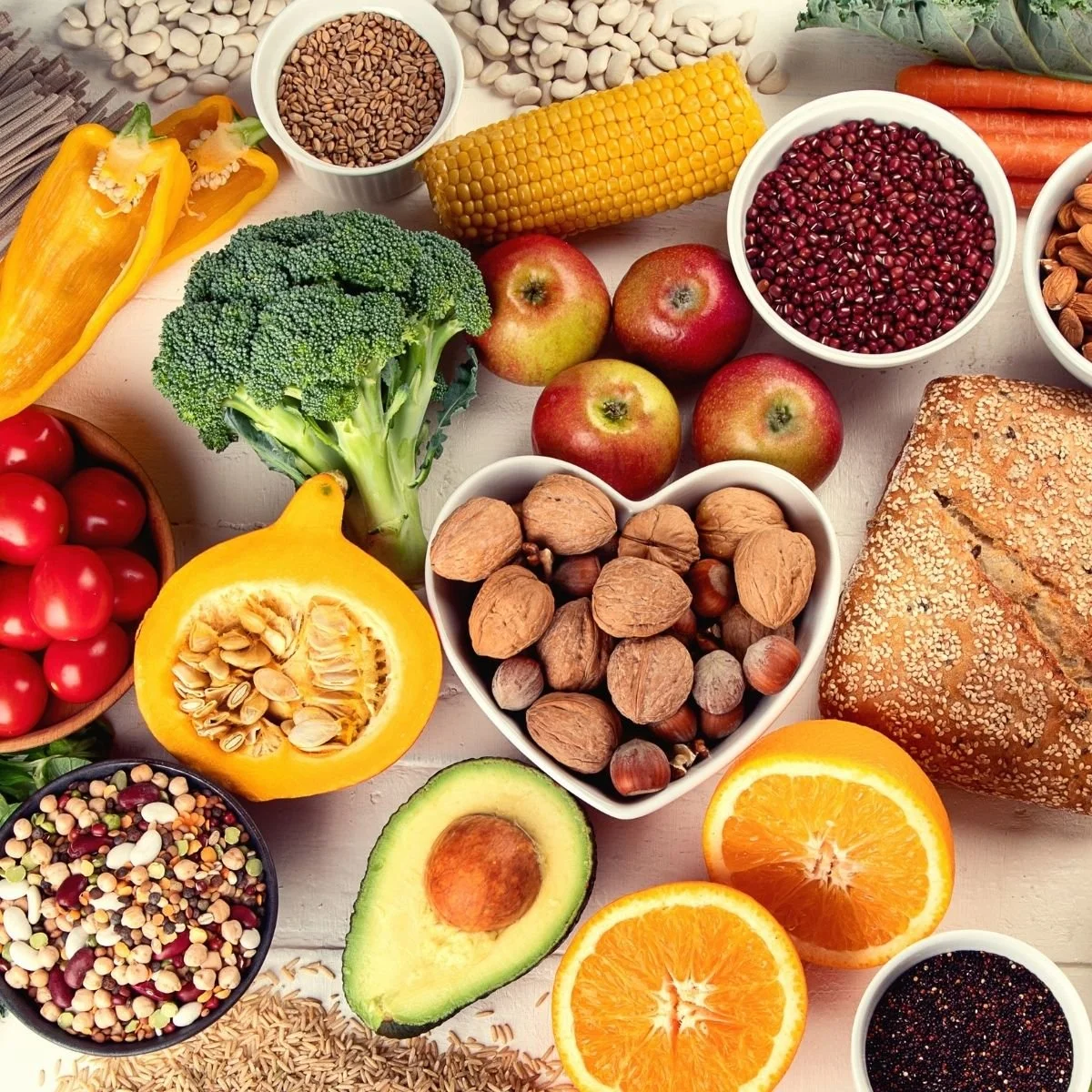
Fiber- Found in plant-based foods, supports digestion, stabilizes blood sugar, and feeds beneficial gut bacteria, which is crucial for immunity and mental well-being. Remember you need a mix of both soluble: beans and lentils, chia and flax seeds, apples and insoluble fiber: whole grains and vegetables to maximize gut health, digestion, and keeping blood sugar balanced!
Build a Better Plate, Boost a Better You — For Energy, Balance & Midlife Vitality
-
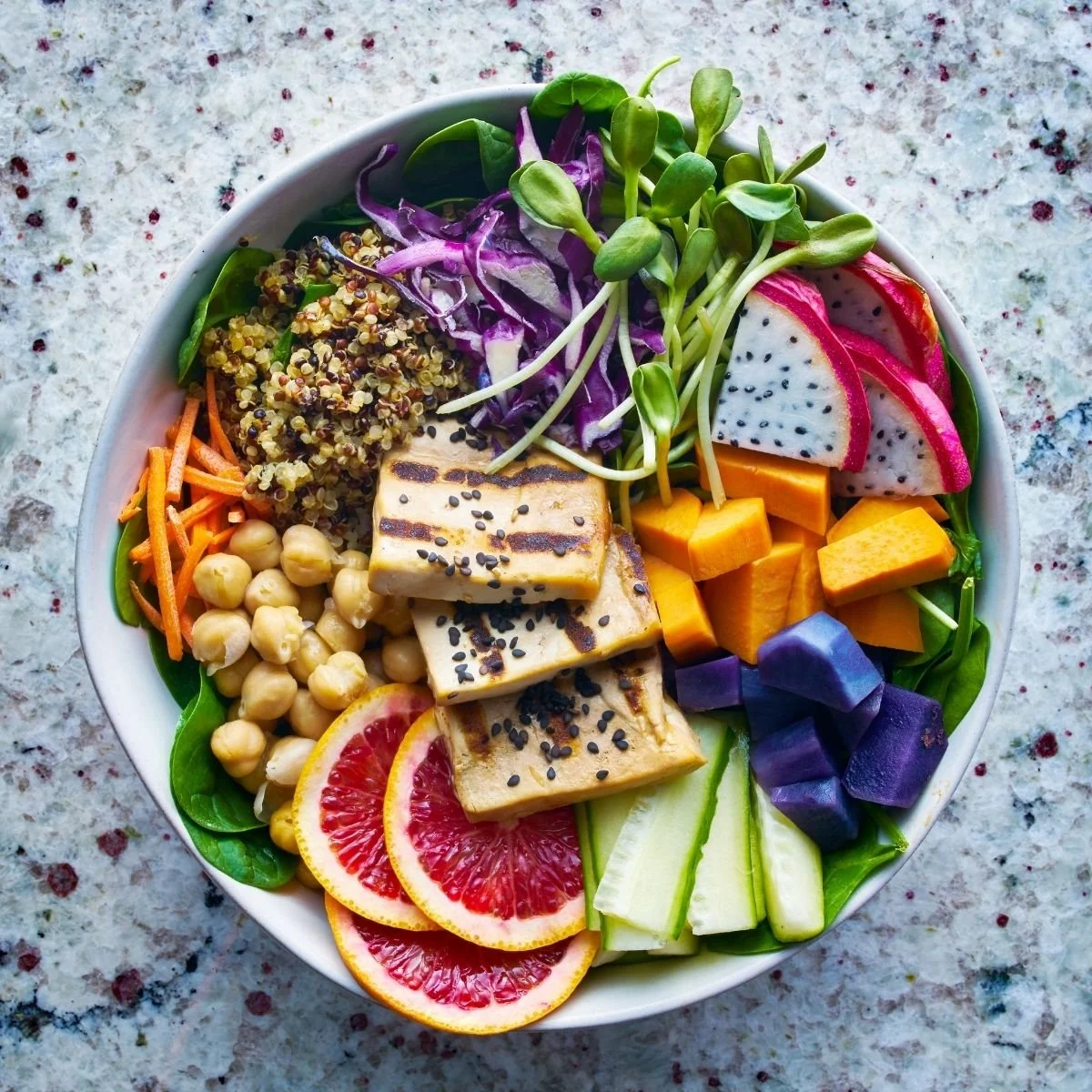
Add More Color to Your Plate
Eat a variety of fruits and vegetables to boost vitamins, minerals, and antioxidants.
-
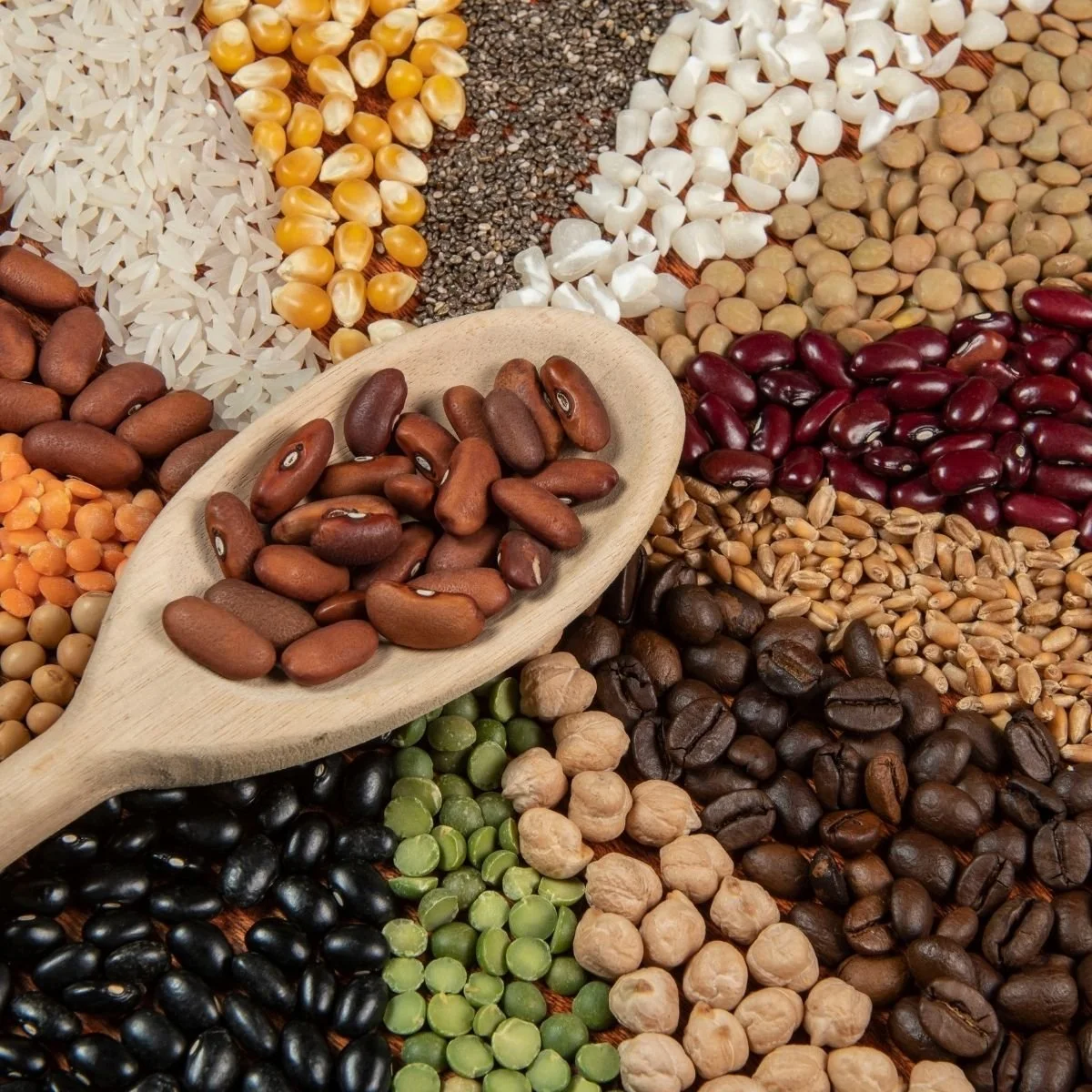
Swap Refined Grains for Whole Grains
Choose brown rice, quinoa, or whole wheat bread instead of white rice or bread.
-

Choose Healthy Fats
Replace processed oils and trans fats with olive oil, avocado, nuts, and seeds.
-
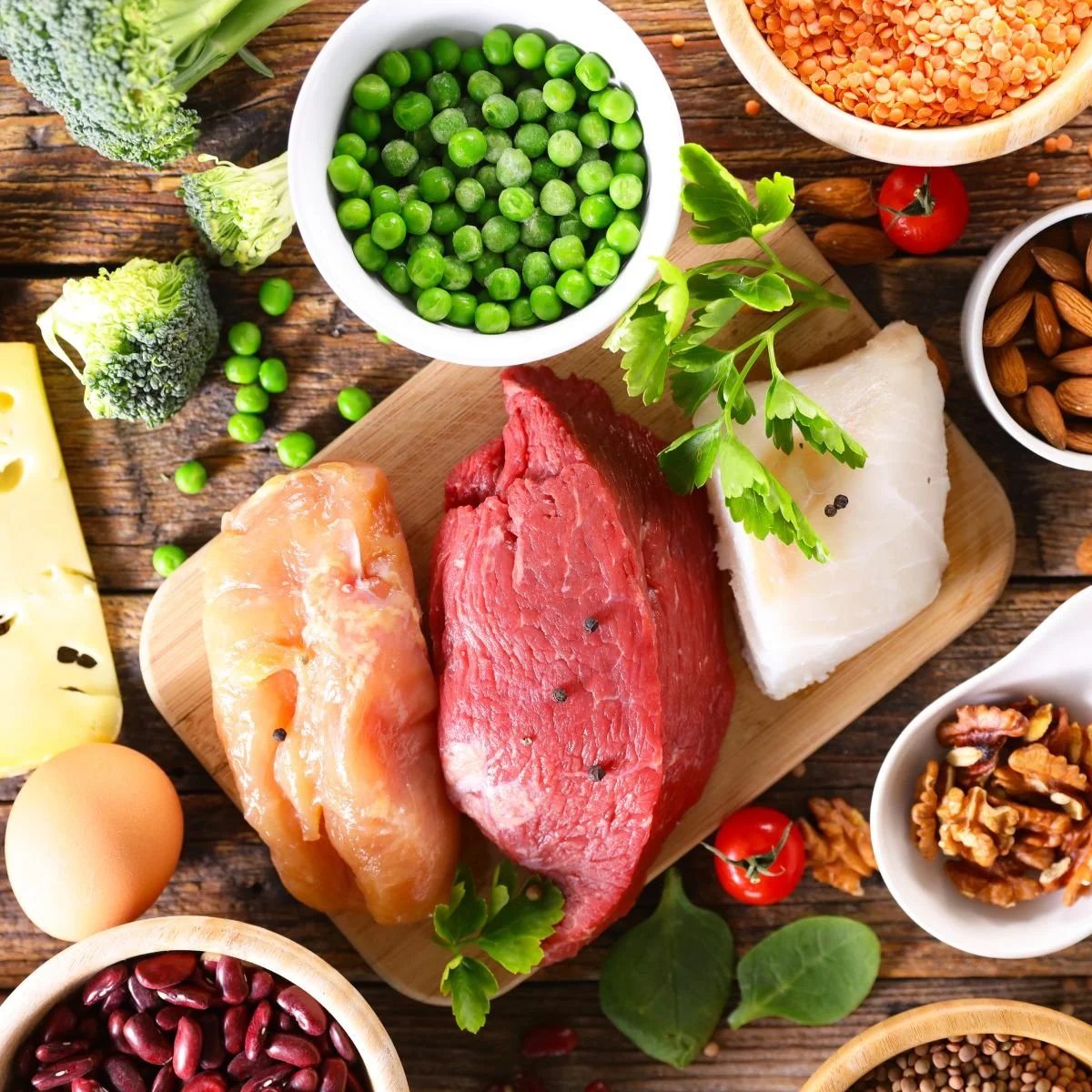
Increase Protein Intake
Add a source of protein (eggs, nuts, beans, fish, or lean meats) to every meal to support muscle health and satiety.
-

Reduce Added Sugars
Opt for natural sweeteners like fruit or honey instead of processed sugar in your drinks and snacks.
-

Hydrate More
Drink more water throughout the day, swapping sugary drinks for herbal teas or infused water.
-
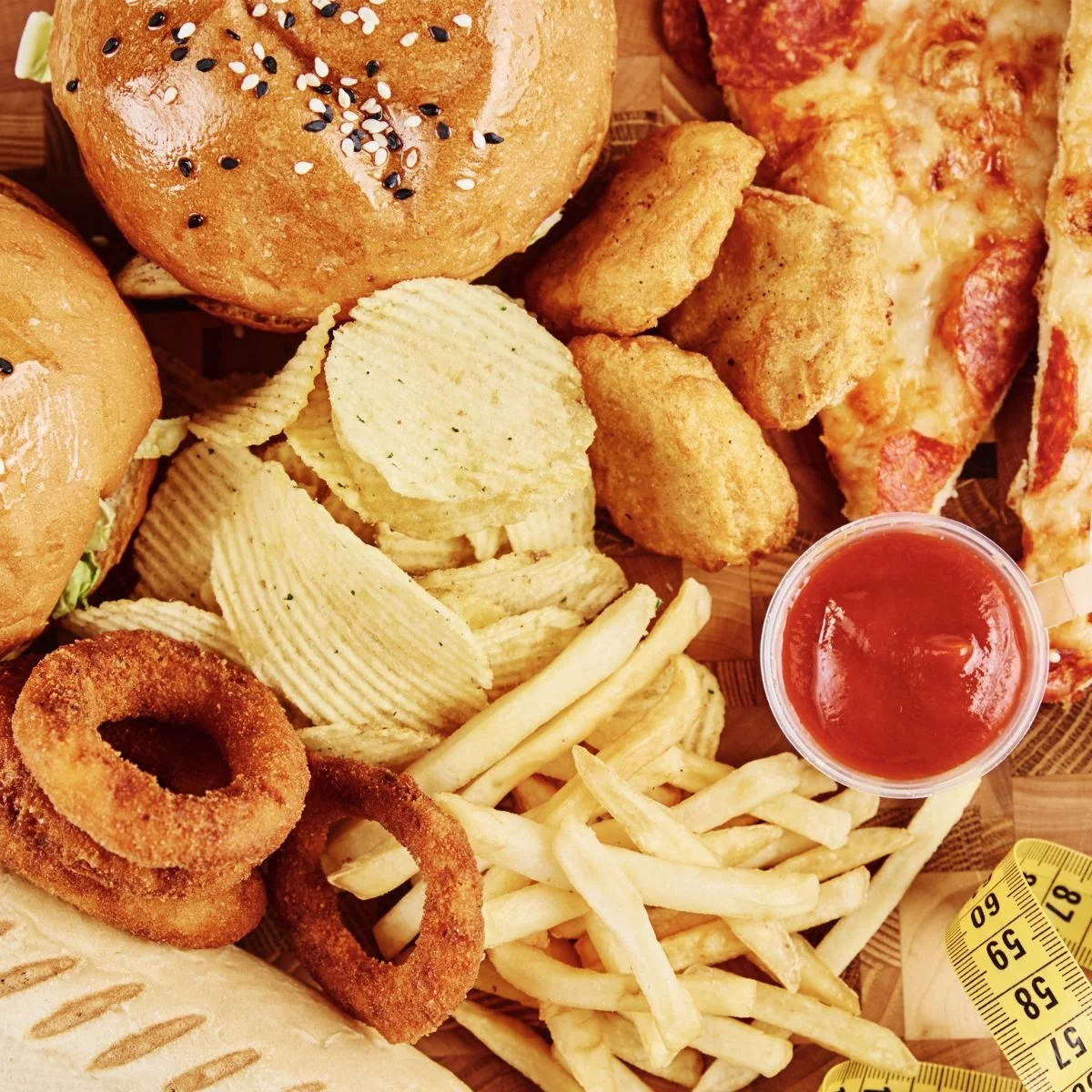
Limit Processed Foods
Focus on whole, nutrient-dense foods that fuel your body with what it truly needs.
-

Plan and Prep Meals
Having healthy meals and snacks ready reduces reliance on fast food and processed options.
Want a simple way to put all of this into practice?
I’ve created a free, easy-to-follow meal plan that shows you how to build energizing, balanced meals using the exact nutrients we just covered.
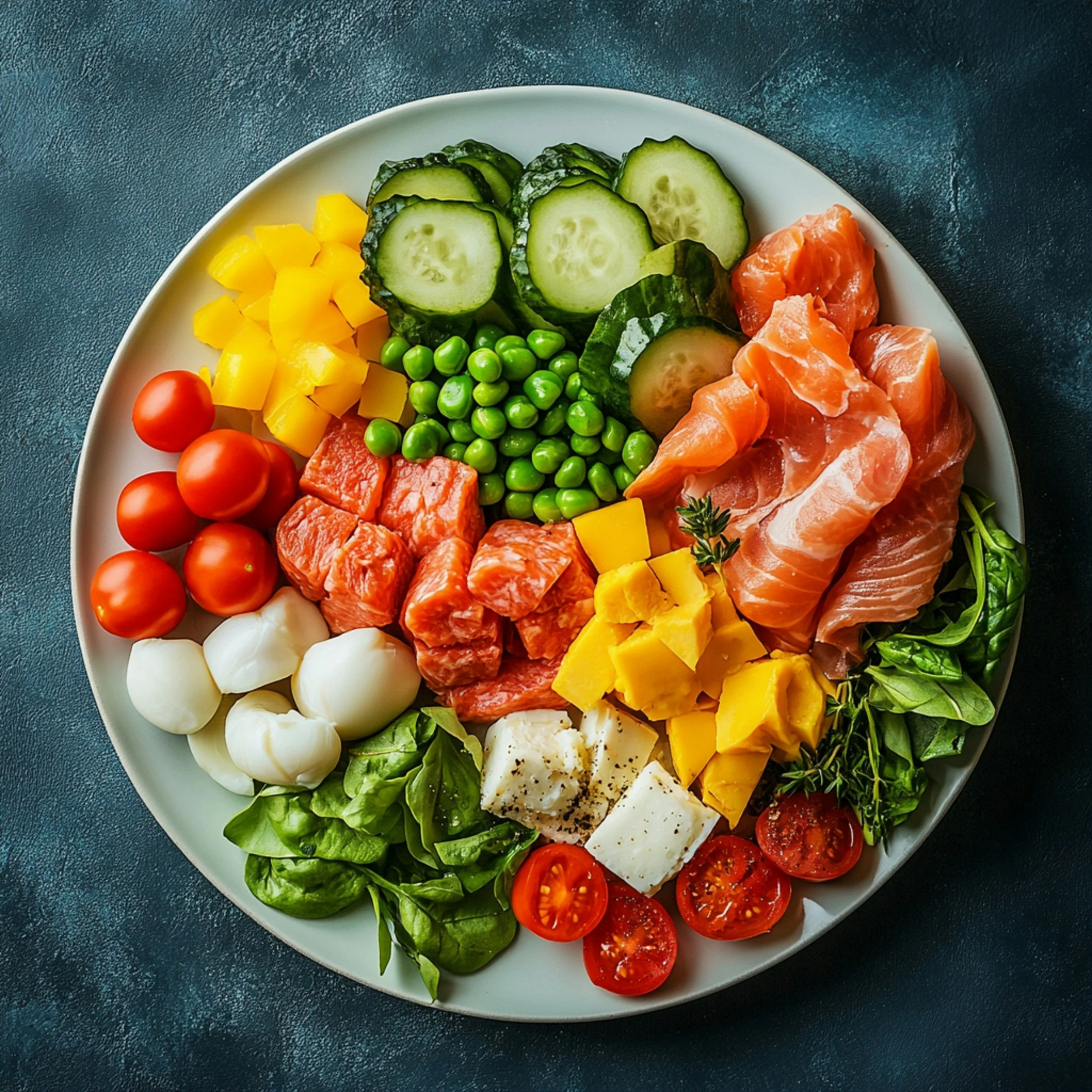
3-Day Midlife Energy-Boosting Meal Plan
Tired of feeling tired? This simple, nutrient-dense meal plan outline is designed to help you fight fatigue, support your metabolism, and feel more energized throughout the day. With balanced meals that stabilize blood sugar and nourish your hormones, you'll fuel your body in a way that supports lasting midlife vitality, without the crash.
Once you’ve started fueling your body for energy, you might be wondering how food can also help with the deeper stuff—like hormone shifts, stress, and mood changes in midlife.
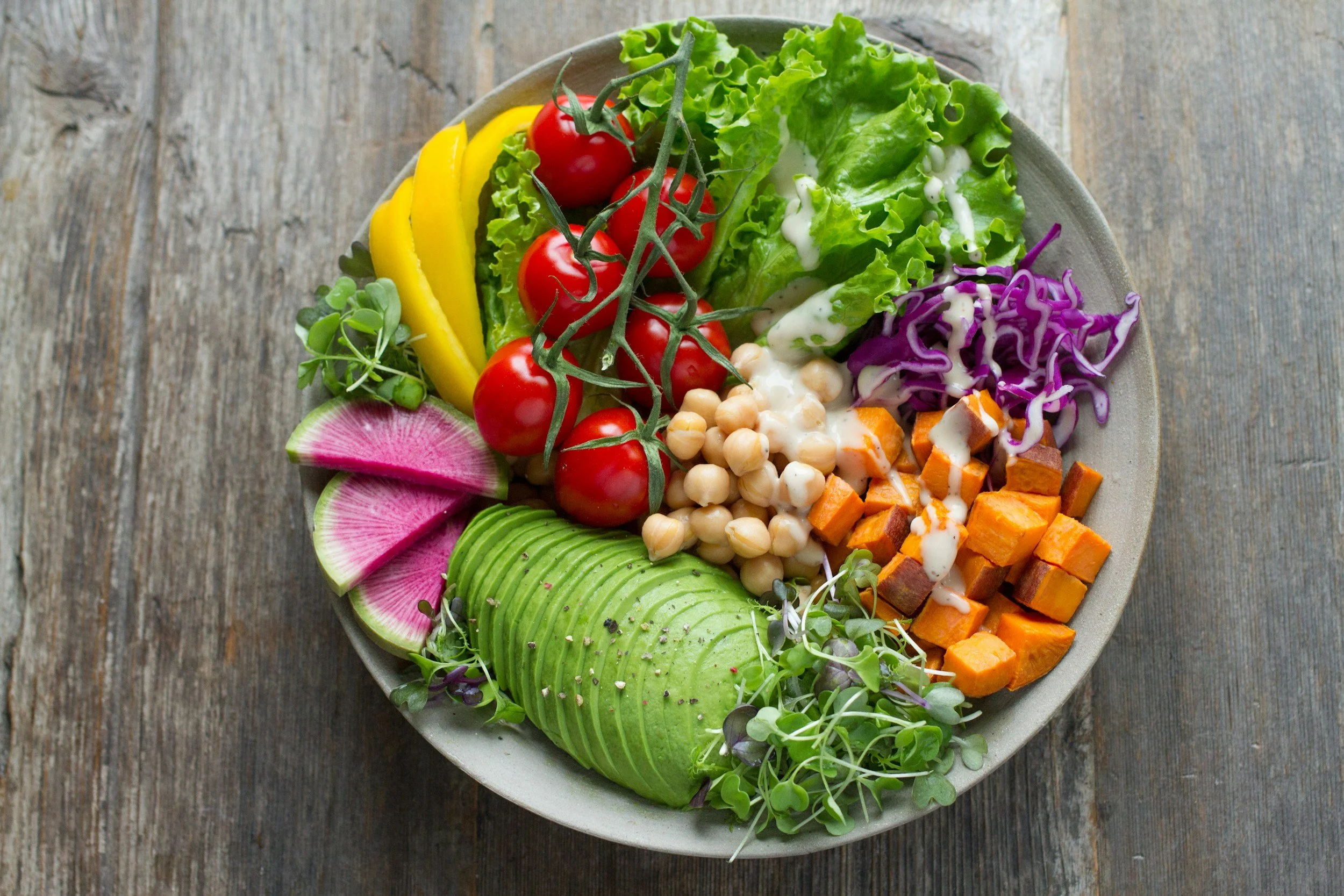
Want to learn more about how to use food to help balance out hormones, mange stress and energy levels?
Download your free guide and learn:
How food can help balance hormones naturally
Essential Nutrients for Hormone Balance
2 Day Sample Daily Hormone-Balancing Meal Plan (Balanced Breakfast, Lunch, Dinner & Snacks)
Foods to Reduce or Avoid (That Disrupt Hormone Balance)